Choosing the right career in 2026 can feel overwhelming. There are too many options, too much advice, and too many people telling you what you should do. Add AI, automation, remote work, and fast-changing industries into the mix, and the confusion multiplies.
But here’s the truth most people won’t tell you:
👉 There is no perfect career—only a well-chosen one.
The right career in 2026 isn’t about chasing trends blindly or following someone else’s dream. It’s about aligning who you are, what the market needs, and how the future is changing.
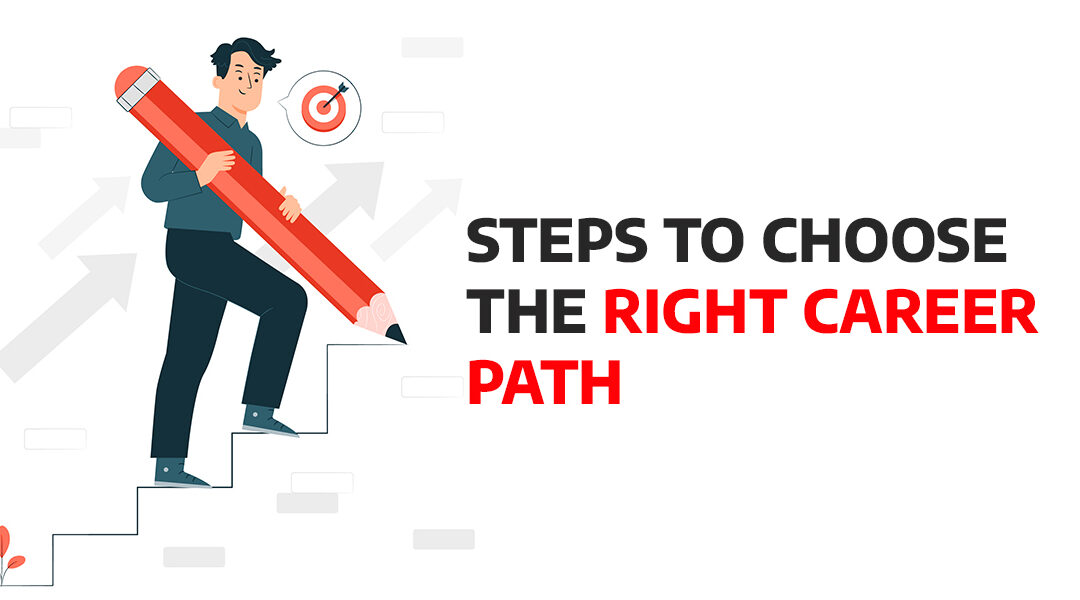
This step-by-step guide will help you choose a career that fits you, survives the future, and grows with time.
Let’s break it down—simply, honestly, and practically.
Why Career Decisions Are Harder in 2026
Career choices used to be linear. Not anymore.
What Changed
- Jobs evolve faster than degrees
- New roles appear every year
- Traditional careers are merging
- Skills expire quickly
In 2026, choosing a career is less about certainty and more about direction with flexibility.
Step 1: Understand Yourself First (Not the Market)
Before looking outward, look inward.
Key Questions to Ask Yourself
- What kind of work energizes me?
- Do I enjoy people, ideas, data, or systems?
- Do I prefer stability or variety?
- Am I risk-tolerant or risk-averse?
A career that fights your personality will drain you—even if it pays well.
Step 2: Identify Your Natural Strengths
You don’t need to be the best—just naturally inclined.
Types of Strengths
- Communication
- Analysis
- Creativity
- Leadership
- Organization
Your strengths are clues. Follow them.
Step 3: Separate Skills From Interests
Interest starts a career. Skills sustain it.
Important Distinction
- Interests can change
- Skills compound
Choose careers where:
- You enjoy learning the skills
- The skills are transferable
This keeps your career flexible.
Step 4: Study Career Trends for 2026
Now look at the market—but wisely.
High-Growth Career Areas
- Healthcare & wellness
- Education & training
- Business & consulting
- Sustainability & policy
- Sales & relationship roles
Avoid careers shrinking due to automation.
Step 5: Evaluate Automation Risk
Ask a simple question:
“Can this job be done by software?”
High-Risk Roles
- Repetitive admin work
- Data entry
- Rule-based tasks
Low-Risk Roles
- Strategy
- Creativity
- Leadership
- Emotional intelligence
The more human judgment required, the safer the career.
Step 6: Think in Career Paths, Not Job Titles
A job is a snapshot. A career is a movie.
Bad Question
“What job should I do?”
Better Question
“What skills can grow into multiple roles?”
Choose paths that allow:
- Vertical growth
- Lateral movement
- Industry switching
Flexibility = security.
Step 7: Consider Lifestyle, Not Just Salary
Money matters—but so does life.
Lifestyle Factors
- Work hours
- Stress levels
- Location flexibility
- Family time
- Mental health
A high-paying career that burns you out is expensive in other ways.
Step 8: Understand the Learning Curve
Every career has a cost of entry.
Ask Yourself
- How long does it take to get competent?
- Can I afford the learning period?
- Are there multiple entry points?
Some careers pay later—but pay big.
Step 9: Validate Careers With Real People
Don’t guess. Ask.
How to Validate
- Talk to professionals
- Read real career stories
- Use LinkedIn smartly
- Follow industry leaders
Reality beats assumptions every time.
Step 10: Test Before You Commit
You don’t need lifelong commitment on day one.
Ways to Test a Career
- Internships
- Freelance projects
- Part-time work
- Online simulations
Career testing saves years of regret.
Step 11: Match Career With Your Risk Profile
Some careers reward risk. Others reward patience.
Low-Risk Careers
- Government
- Education
- Healthcare
High-Risk, High-Reward Careers
- Entrepreneurship
- Sales
- Consulting
Neither is better—just different.
Step 12: Ignore Social Pressure
This is critical.
Common Pressure Sources
- Family expectations
- Peer comparison
- Social media success stories
Your career is a long-term relationship. Choose it for you, not applause.
Step 13: Plan for Career Switching
In 2026, career switching is normal.
Smart Career Strategy
- Choose transferable skills
- Avoid dead-end roles
- Keep learning continuously
Careers are no longer ladders—they’re climbing walls.
Step 14: Build Skills Before Titles
Titles impress people. Skills pay bills.
Focus On
- Core skills
- Proof of work
- Real results
A strong skill set gives you leverage anywhere.
Step 15: Make a Decision—and Move
Perfect clarity comes after action, not before.
Remember
- No choice is permanent
- Inaction is the worst decision
- Progress beats perfection
Start where you are. Adjust as you grow.
Common Career Mistakes to Avoid in 2026
- Chasing trends without fit
- Choosing salary over sustainability
- Ignoring learning requirements
- Waiting too long to start
Careers reward momentum.
A Simple Career Decision Framework
Ask these 5 questions:
- Does this career fit my strengths?
- Is it growing in 2026?
- Can I learn and adapt within it?
- Does it support my lifestyle?
- Can I switch if needed?
If most answers are “yes,” you’re on the right track.
Conclusion
Choosing the right career in 2026 isn’t about predicting the future—it’s about preparing for it. The best careers are flexible, skill-based, and aligned with who you are.
Don’t chase certainty.
Chase growth, learning, and alignment.
Because in the long run, the right career doesn’t just pay you—it builds you.
FAQs
1. Is it okay to be confused about career choices in 2026?
Yes. Confusion is normal in a rapidly changing job market.
2. Should I follow passion or practicality?
Follow interest + skill + demand. Balance matters.
3. Can I change careers later?
Absolutely. Career switching is common and accepted.
4. Are traditional careers still relevant?
Yes, but they must evolve with new skills.
5. What’s the biggest career mistake today?
Waiting for perfect clarity instead of starting.