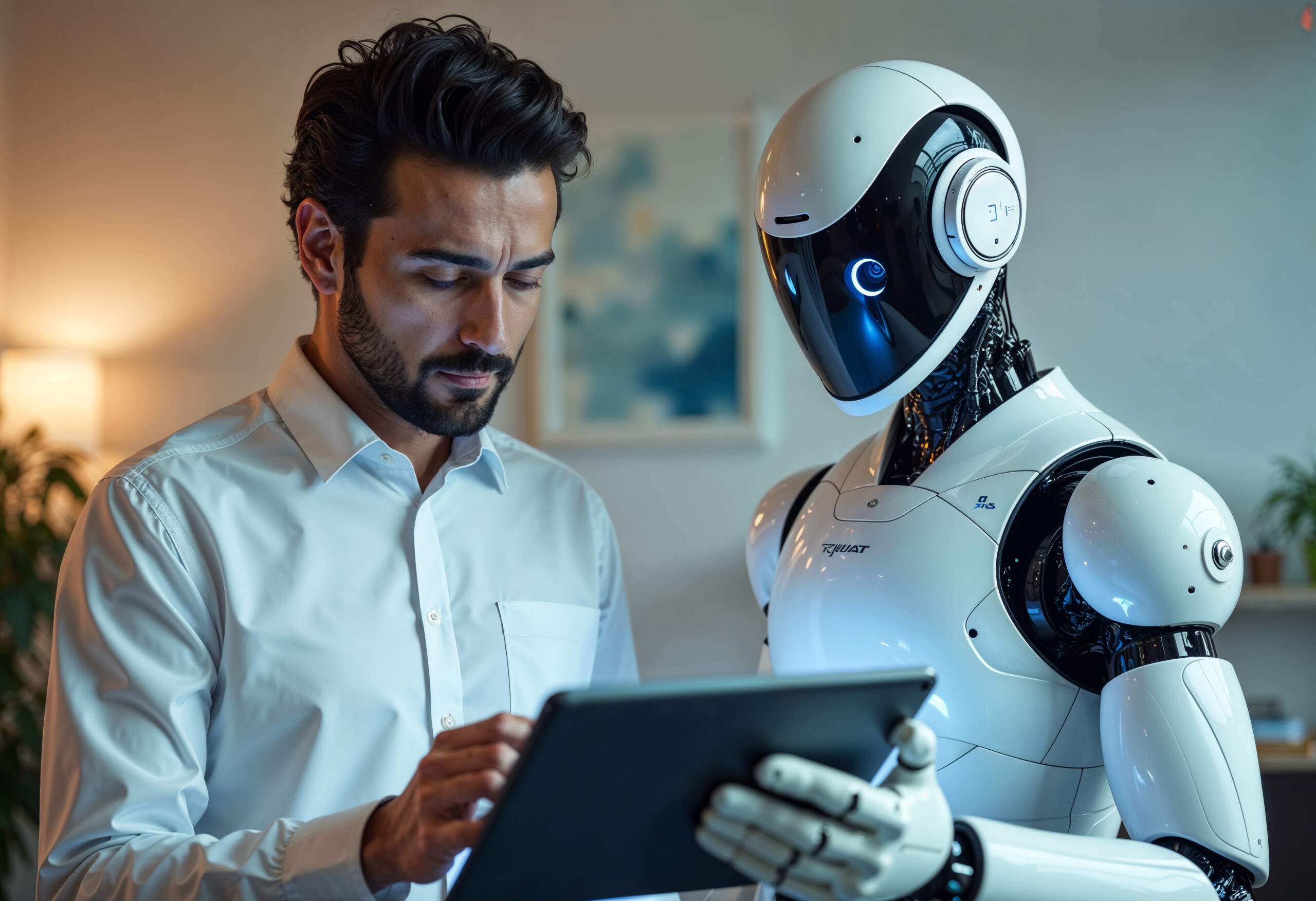
Let’s be honest—career anxiety is real.
With AI advancing, automation spreading, and industries evolving overnight, one question is on everyone’s mind:
“Will my job still exist in the future?”
The truth is, some jobs will disappear. But many others will evolve, grow, and pay more than ever. The key isn’t predicting the future perfectly—it’s choosing a future-proof career that can adapt, survive, and thrive no matter what changes come.
This article is your long-term career insurance policy. We’ll explore the most future-proof careers for 2026 and beyond, why they’re resilient, what skills they require, and how you can start building toward them today.
Think of this as planting trees—not for tomorrow’s shade, but for lifelong growth.
What Does “Future-Proof Career” Really Mean?
A future-proof career isn’t about avoiding change. It’s about growing with change.
Key Traits of Future-Proof Careers
- Hard to automate
- High human judgment involved
- Skill-based, not role-based
- Continuous learning opportunities
- Cross-industry relevance
In short: careers that evolve instead of expire.
Why Future-Proofing Your Career Matters More Than Ever
Technology isn’t slowing down—it’s accelerating.
Major Forces Shaping the Future of Work
- Artificial Intelligence
- Automation and robotics
- Remote and global hiring
- Aging populations
- Digital transformation
If your career doesn’t adapt, it risks becoming obsolete—like a flip phone in a smartphone world.
Skills vs Jobs: The New Way to Think About Careers
Here’s a mindset shift that changes everything:
Jobs change. Skills transfer.
Future-proof professionals don’t cling to job titles—they build skill stacks.
Examples
- A software developer becomes a product architect
- A marketer evolves into a growth strategist
- A teacher becomes an online educator
Your career should be flexible, not fragile.
1. Artificial Intelligence & Machine Learning Professional
Why AI Careers Are Future-Proof
AI won’t replace itself. Instead, it will require humans to build, manage, and guide it.
Roles Included
- AI Engineer
- Machine Learning Engineer
- AI Researcher
Core Skills
- Python
- Machine learning
- Data modeling
AI careers are like electricity—once introduced, demand never goes away.
2. Data Science & Analytics Professional
Why Data Will Always Matter
Businesses will always need insight to make decisions.
Future-Proof Roles
- Data Scientist
- Business Analyst
- Data Engineer
Skills Required
- Data analysis
- Statistics
- Visualization tools
Data professionals turn uncertainty into clarity.
3. Cybersecurity Expert
Why Security Can’t Be Automated Away
As systems grow, so do threats.
In-Demand Roles
- Cybersecurity Analyst
- Ethical Hacker
- Security Architect
Key Skills
- Network security
- Risk assessment
- Cloud security
Cybersecurity is digital survival.
4. Healthcare & Health-Tech Professional
Why Healthcare Is Recession-Resistant
People will always need care—especially as populations age.
Future-Proof Paths
- Health informatics
- Telemedicine
- Healthcare management
Why Tech + Health Wins
Technology improves care delivery, diagnostics, and efficiency.
Healthcare careers combine compassion with innovation.
5. Cloud Computing & Infrastructure Specialist
Why the Cloud Is Permanent
The cloud is the backbone of modern businesses.
Key Roles
- Cloud Engineer
- Cloud Architect
- Cloud Security Specialist
Skills Needed
- AWS
- Azure
- DevOps
Cloud professionals keep the digital world running.
6. Software Developer (Adaptable Stack)
Why Developers Remain Relevant
Code is the language of the future.
Future-Proof Developers
- Learn continuously
- Understand business logic
- Build scalable systems
Skills to Focus On
- JavaScript
- APIs
- System design
Developers who adapt don’t get replaced—they get promoted.
7. Product Manager
Why Product Thinking Is Timeless
Products will always need direction.
Core Responsibilities
- Understand users
- Align teams
- Deliver value
Skills Required
- Strategy
- Communication
- Data analysis
Product managers are career shape-shifters.
8. UX/UI Designer & Human-Centered Designer
Why Human Experience Can’t Be Automated
Machines don’t feel—humans do.
Future-Proof Design Roles
- UX Designer
- Interaction Designer
- Service Designer
Core Skills
- User research
- Empathy
- Prototyping
Designers make technology human.
9. Digital Marketing & Growth Strategist
Why Digital Visibility Is Essential
If you’re invisible online, you don’t exist.
Future-Proof Marketing Roles
- SEO strategist
- Growth marketer
- Performance marketer
Skills Needed
- Analytics
- Conversion optimization
- Content strategy
Marketing adapts faster than almost any field.
10. Educator, Coach & Online Instructor
Why Teaching Will Never Die
Learning is lifelong.
Modern Teaching Paths
- Online courses
- Corporate training
- Coaching programs
Skills Required
- Communication
- Curriculum design
- Digital tools
Teaching scales globally in the digital age.
11. Sustainability & Green Energy Professional
Why Green Careers Are the Future
Climate change isn’t optional—it’s urgent.
Future-Proof Roles
- Renewable energy specialist
- Sustainability consultant
- Environmental analyst
Why Demand Will Grow
Governments and companies are investing heavily in green solutions.
Green careers align purpose with profit.
12. Business Consultant & Strategist
Why Strategy Beats Automation
AI can analyze—but humans decide.
Key Roles
- Management consultant
- Operations strategist
- AI adoption consultant
Skills Needed
- Critical thinking
- Business insight
- Communication
Consultants solve problems that don’t have formulas.
13. Content Creator & Authority Builder
Why Personal Brands Are Future-Proof
Platforms change—but audiences follow value.
High-Impact Creator Roles
- YouTuber
- Blogger
- Newsletter writer
Skills Required
- Storytelling
- Consistency
- Audience trust
Attention is the most valuable currency.
14. Sales & Relationship Management Professional
Why Human Connection Matters
People buy from people.
Future-Proof Sales Roles
- Enterprise sales
- Account management
- Customer success
Key Skills
- Communication
- Negotiation
- Empathy
AI can assist sales—but it can’t replace trust.
15. Hybrid Professionals (Multi-Skilled Roles)
Why Hybrid Skills Win
The future belongs to people who combine disciplines.
Examples
- Tech + business
- Design + psychology
- AI + ethics
Hybrid professionals are hard to replace and easy to promote.
Careers That Are Least Future-Proof
Let’s be realistic.
High-Risk Roles
- Repetitive data entry
- Manual reporting
- Basic administrative tasks
If a task follows fixed rules, automation will target it.
How to Make Any Career More Future-Proof
You don’t always need a career change—sometimes you need a career upgrade.
Future-Proofing Checklist
- Keep learning
- Build transferable skills
- Use technology, don’t fight it
- Network continuously
Adaptability is the ultimate skill.
How to Start Building a Future-Proof Career Today
You don’t need a 10-year plan. You need a 90-day plan.
Simple Action Plan
- Identify a future-proof field
- Learn one high-value skill
- Build practical projects
- Get feedback
- Repeat
Momentum creates confidence.
Mindset Shift for Long-Term Career Success
The safest career path is not stability—it’s growth.
Adopt This Mindset
- Learn faster than change
- Stay curious
- Think long-term
Your career is a living system, not a fixed ladder.
Conclusion
Future-proof careers aren’t about avoiding disruption—they’re about riding the wave instead of drowning in it. The professionals who thrive in 2026 and beyond will be learners, adapters, and problem-solvers.
You don’t need to know where the world is going.
You just need to stay useful wherever it goes.
Start today—and your future self will thank you.
FAQs
1. What is the most future-proof career overall?
Careers combining technology, human judgment, and adaptability—like AI, healthcare tech, and cybersecurity.
2. Can non-tech people build future-proof careers?
Absolutely. Skills like strategy, communication, teaching, and design are highly future-proof.
3. How often should I update my skills?
At least once every 6–12 months to stay relevant.
4. Are degrees becoming useless for future careers?
Not useless—but skills, experience, and adaptability matter more.
5. What’s the biggest threat to career security?
Stagnation. Not learning is riskier than changing careers.